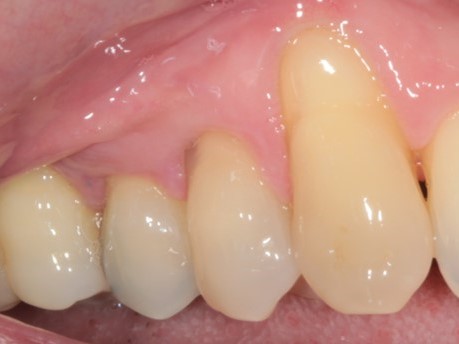
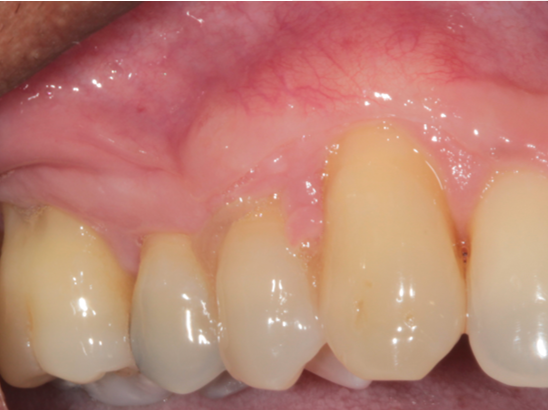
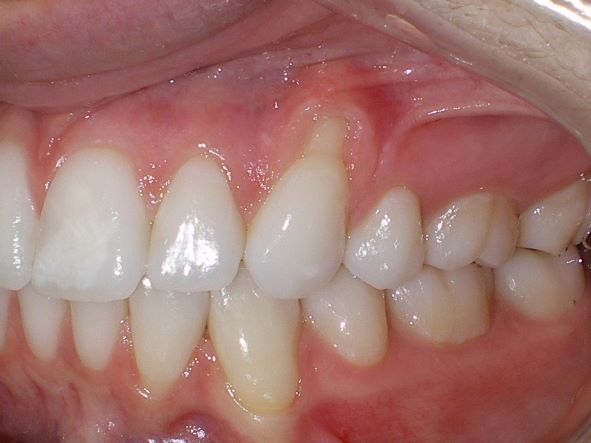
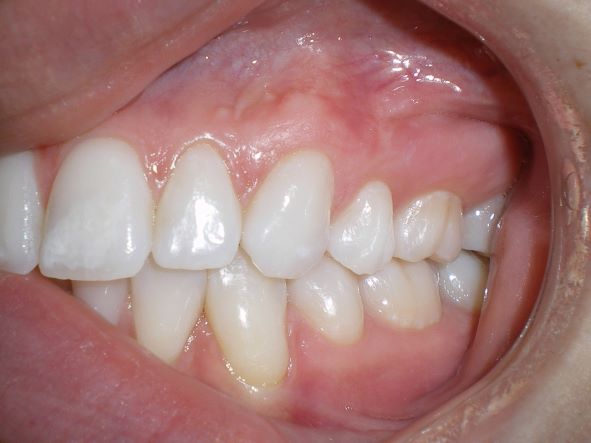
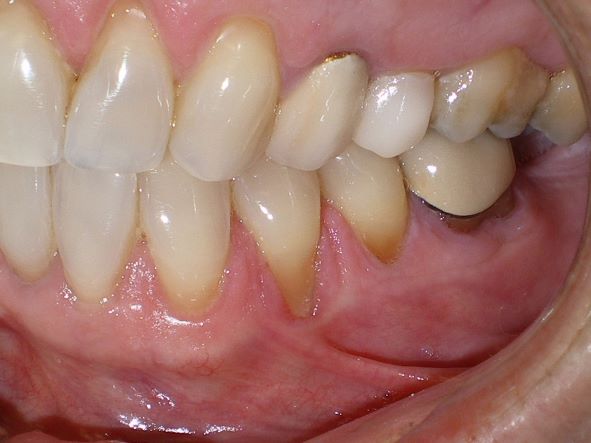
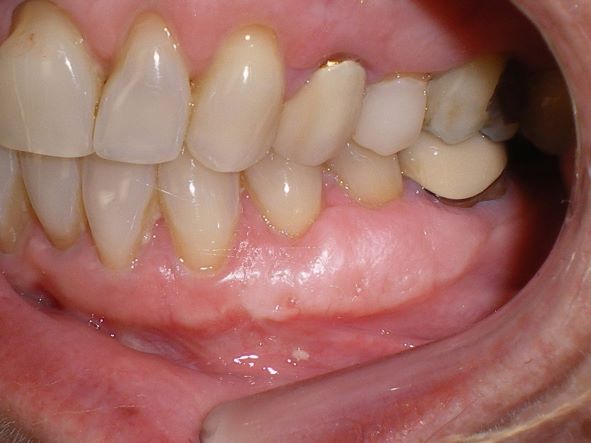
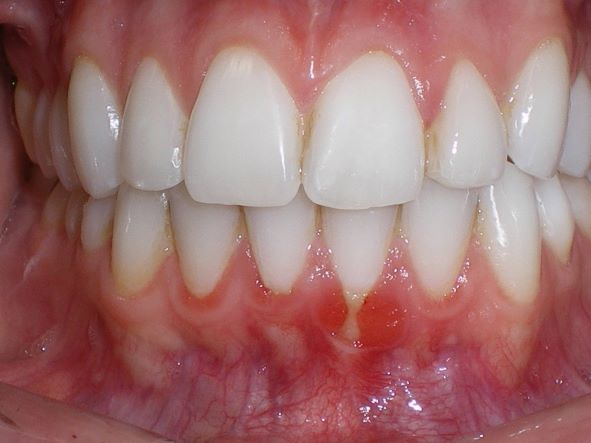
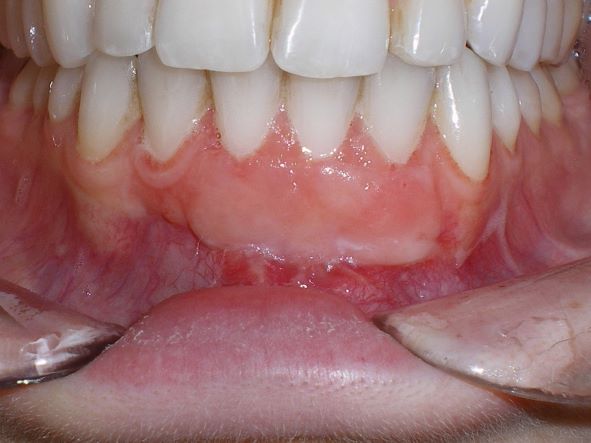
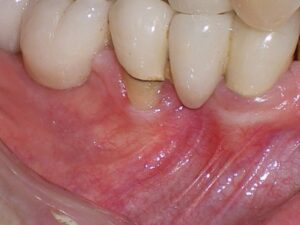
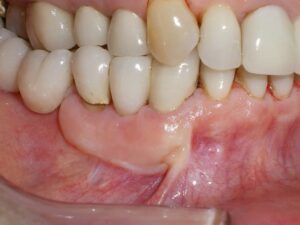
Healthy gums act as a protective barrier around the teeth. When gum tissue recedes, the root surface becomes exposed. This can lead to sensitivity, increased risk of cavities on the root, and changes in the appearance of the smile.
Gum recession can expose the roots of teeth, causing sensitivity and increasing the risk of decay. Gingival grafting is a safe and predictable procedure used to restore lost gum tissue, strengthen the gums, and improve long-term oral health.
Gum recession may develop slowly over time or occur in specific areas due to factors such as periodontal disease, thin tissue, aggressive brushing, or tooth position.
A gingival graft can help rebuild the protective tissue and prevent further progression.
Before
After
Before
After
When Is Gingival Grafting Recommended?
Lorem ipsum dolor sit amet, consectetur adipiscing elit. Ut elit tellus, luctus nec ullamcorper mattis, pulvinar dapibus leo.
A gingival graft may be recommended when:
The root surface of a tooth becomes exposed
Tooth sensitivity develops due to gum recession
The gum tissue is thin or fragile
Additional recession is likely
Esthetic concerns exist due to uneven gum levels
Orthodontic treatment may place stress on the gums
The goal is to strengthen the gum tissue and protect the tooth from further damage.
Before
After
How the Procedure Is Performed
Gingival grafting is typically performed under local anesthesia. Sedation options may also be available to enhance patient comfort.
During the procedure:
The area is gently numbed.
The exposed root surface is carefully cleaned and prepared.
The graft material is positioned over the area of recession.
Very fine sutures are used to stabilize the graft.
The procedure is precise and designed to restore natural gum contours while strengthening the surrounding tissue.
Before
After
Before
After
Types of Gum Grafts We Use
Autogenous Tissue (Your Own Tissue)
A small piece of tissue can be taken from the roof of the mouth (palate). This is considered the traditional gold standard and provides excellent compatibility and long-term stability.
Donor Human Tissue (Allograft)
Specially processed donor tissue may be used to avoid a second surgical site. This option can reduce postoperative discomfort while still providing predictable results.
Bovine Collagen Graft
Purified collagen materials derived from bovine sources may be used to support tissue regeneration. These materials serve as a scaffold for your body to form new gum tissue.
The most appropriate graft material will be selected based on the individual clinical situation.
Post-Operative Care
After surgery, the grafted area will need time to heal and integrate with the surrounding tissue.
Patients are typically advised to:
Avoid brushing the graft area temporarily
Use a prescribed antimicrobial rinse
Follow a soft diet for several days
Avoid pulling on the lip or cheek near the surgical site
Attend follow-up visits to monitor healing
Most patients return to normal daily activities shortly after the procedure, while complete healing continues over several weeks.